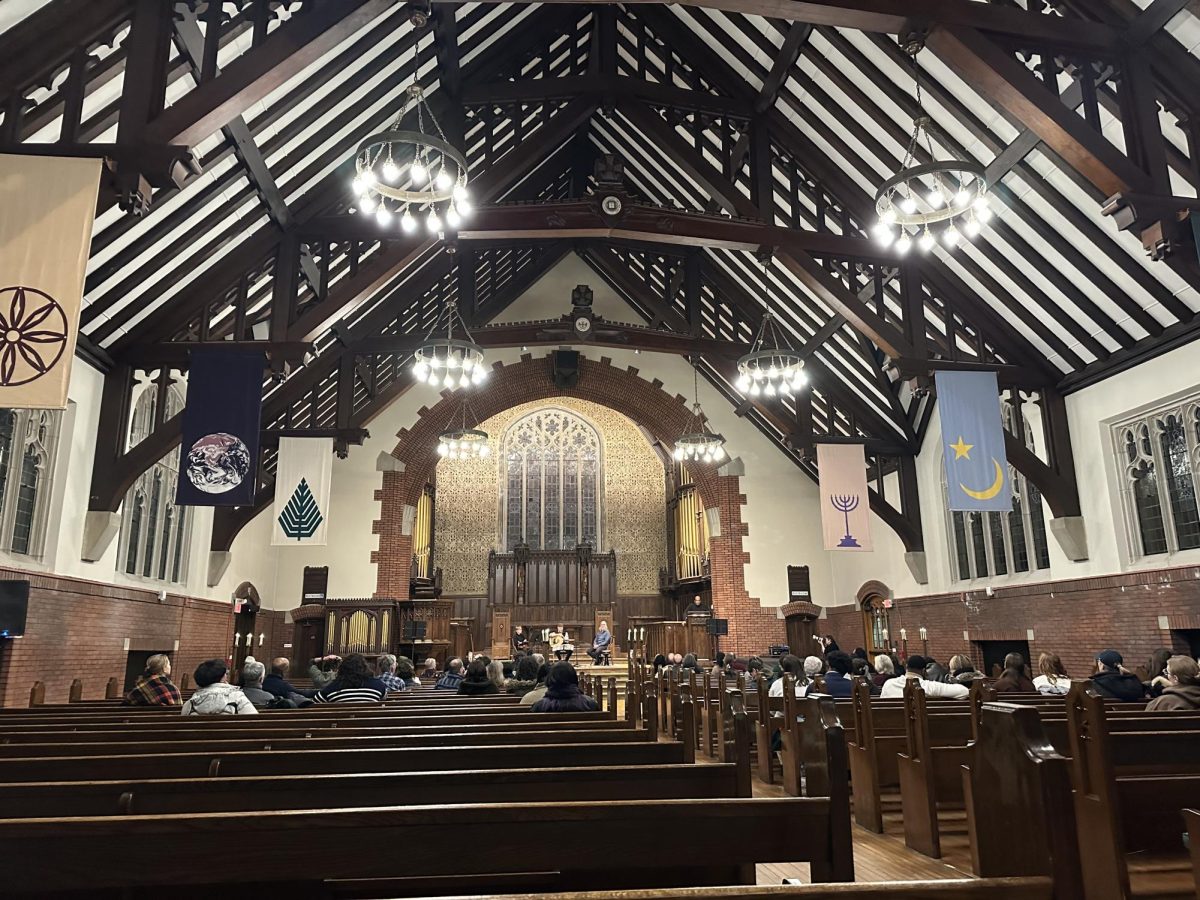
On the evening of Jan. 18, Martin Luther King Jr. Day programming at Bates kicked off with the event “On the High Plane of Dignity” at Gomes Chapel, featuring an interfaith discussion on human dignity.
Sponsored by the Multifaith Chaplaincy, the event invited attendees to “Join leaders from Judaism, Islam, Buddhism, and Christianity as they reflect on two vital questions,” according to the online event description. The questions, highlighting sources and practices of human dignity within each speaker’s religious tradition, prompted a greater conversation on how individuals and communities can understand human dignity in our current cultural context.
“Even though so many different speakers of different faiths were talking, they were all sharing the same message of the value of human dignity and valuing each other… because of our differences and celebrating each other,” said Abby Salkind-Foraker ‘29.
A musical prelude began the evening, performed by the Middle Eastern Music Trio, before Interim Multifaith Chaplain Raymond Clothier briefly welcomed attendees.
Assistant Dean of Students James Reese led the chapel in a “Responsive Reading,” based on Dr. Martin Luther King, Jr’s speech “How Long? Not Long” originally delivered on March 25, 1965. The call-and-response nature of the speech invited attendees to participate, first on the basis of different identifiers (under 25 years old, New Englander, student) and then all together. Touching on themes of justice, community, love and faith, the reading was a nod to Dr. King’s sermon style of speaking while engaging the minds and words of attendees.
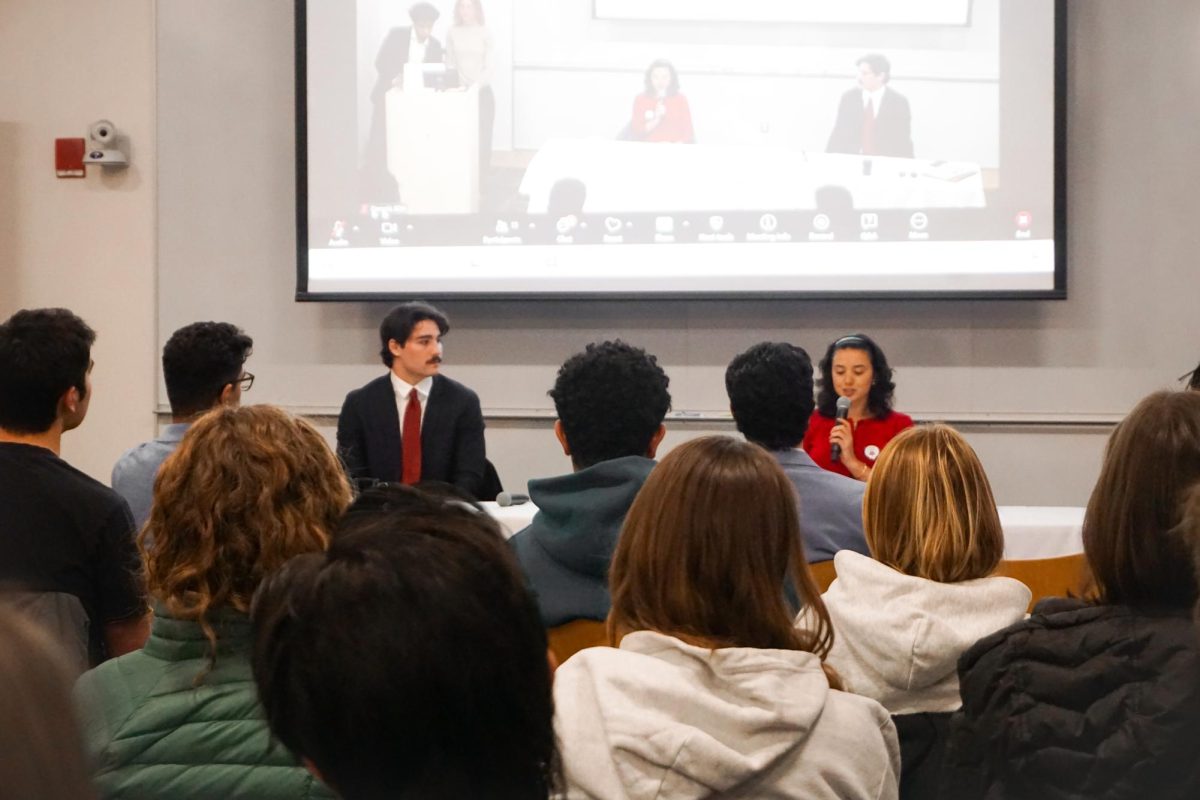
Rabbi Sruli Dresdner, Sister Jacinta Coscia, the Venerable Tenzin Dasel, and Assistant Professor of Religious Studies at Bates Dr. Halla Attallah followed this reading with speeches of their own, highlighting human dignity within their own respective faiths.
Rabbi Dresdner first commented on current concerns for the immigrant community, sharing that if any community member is in need, the synagogue is a resource they can draw on. His speech drew on Jewish histories, highlighting Rabbi Mussbaum’s fight for racial justice and stories of Moses intervening on behalf of others.
Sister Coscia continued the conversation of drawing on religious tradition, discussing Catholicism as a source of belief in every human’s inherent dignity. Her focus also highlighted Catholic practices to honor human dignity, including the work of humanitarian organization Caritas and that of Mother Theresa.
After a musical interlude, again performed by the Middle Eastern Music Trio, The Venerable Dasel led a grounding meditation, before discussing Buddha as a teacher of human dignity. Tying in Dr King’s study of nonviolence and compassion within the Buddhist tradition, she also highlighted these practical teachings of using the power to change ourselves to create a world with more love and kindness.
“There’s probably something to be said… that to be more like the Buddha, or God or whatever, is, in part, to be more like Dr King,” said Harrison Yeomans ‘27, who also described that he’s been on religious journey for the past six months and found the Venerable Dasel’s talk resonated with him in particular.
Dr. Attallah began with comments highlighting how legalized violence is an example of failing to acknowledge human dignity, and the use of “illegal immigrants” as convenient scapegoats that follow a pattern of violent histories of slaveries and harm on Black bodies.
Drawing from Edward Said’s book “Orientalism,” she also highlighted the use of well-intentioned framing, such as the framing of equality between sexes on the basis of intellect, which can inadvertently prioritize the dignity of some Muslims over others, ending with an invitation for the audience to empathize with the experiences of others.
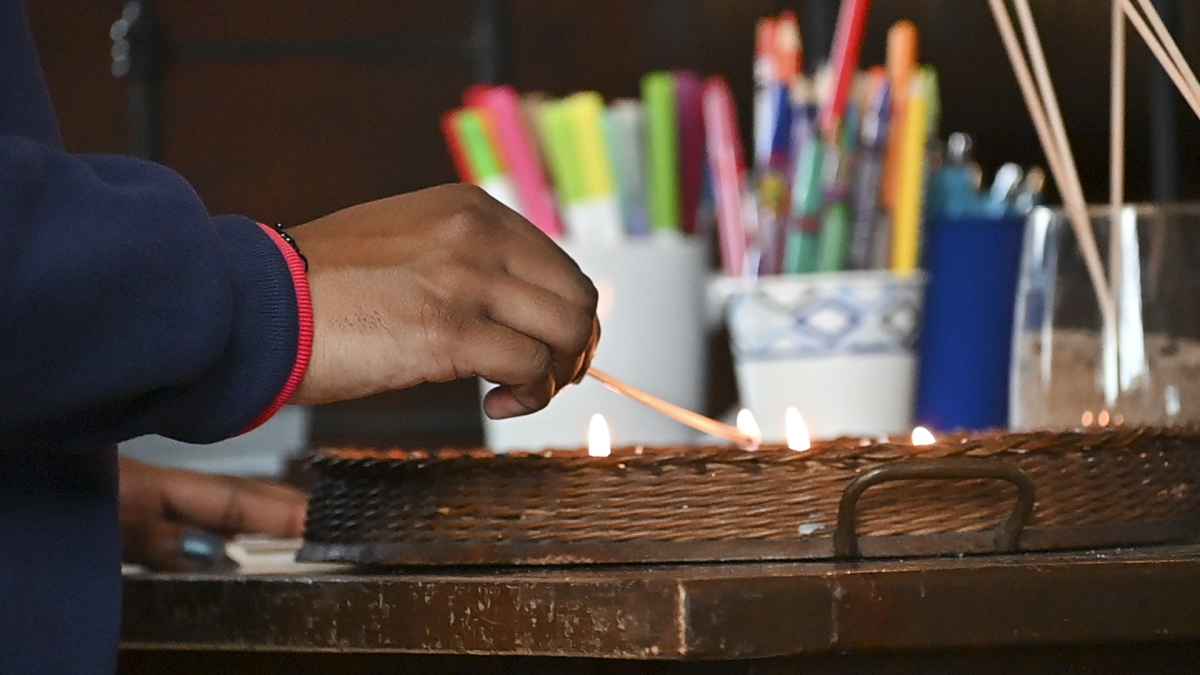
Multifaith Chaplaincy Program Coordinator Sam McCune then introduced a community arts practice and Dr. Rev. Raymond Clothier closed the event with a benediction.
“I think that there’s something really important about learning from lots of traditions about how they view the world and how they view humanity, even if I don’t always agree with all of the sentiments involved,” shared Whitney Miller ‘26, who was helping out at the event as a Multifaith Fellow.
She added, “I thought that this [event] was a particularly nice look at many traditions and how they overlap, and how they all seemed, at the end of the day, to just care about making the world a little bit better.”