
A major annual migration is happening right now in Maine, and we are killing its participants every night.
These creatures do not fly. Their footsteps make no sound, and you will scarcely hear them vocalize until they reach their destination. Some of them cannot make any noise at all.
Yet, by some accounts, there are greater numbers of them moving right now than many other migrants we might consider.
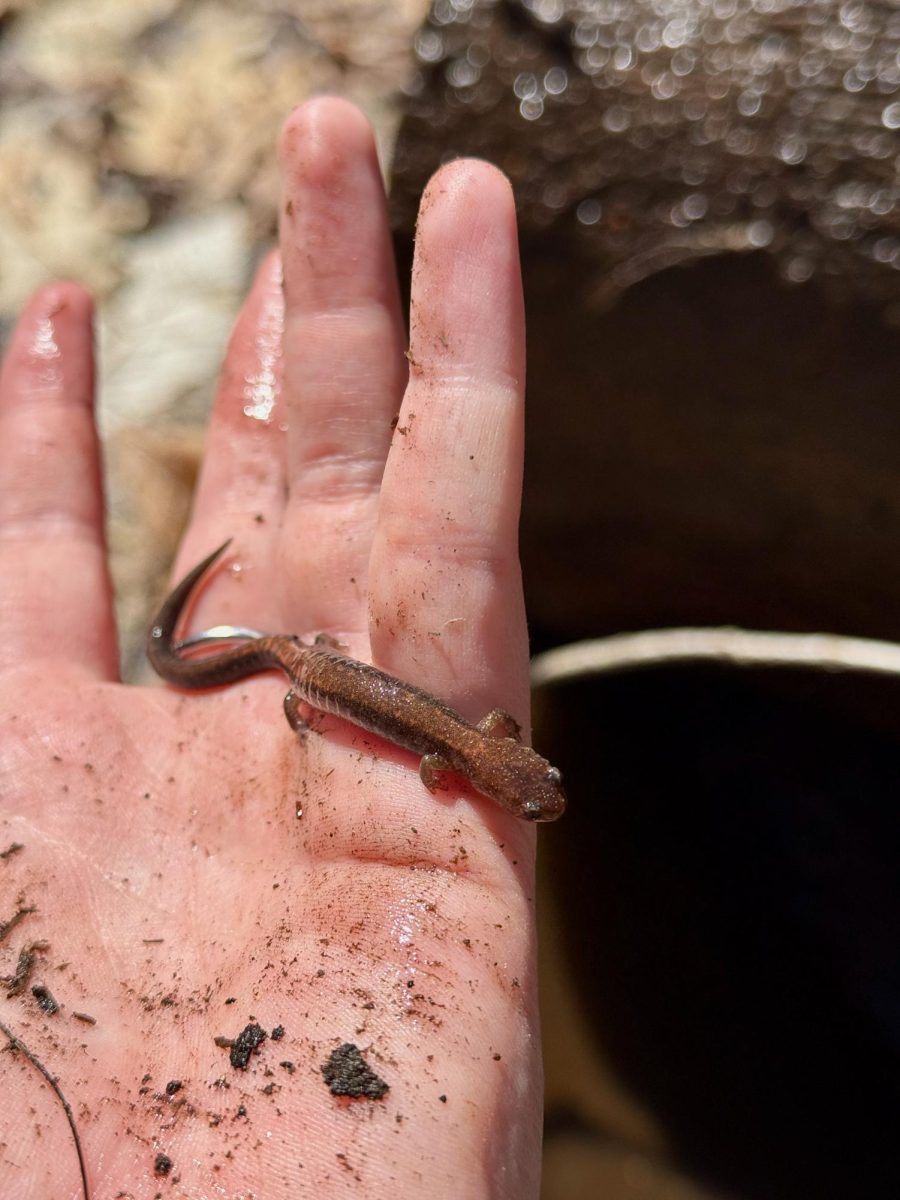
I am of course talking about amphibians, our slimy neighbors whose migrations are not transcontinental, but rather as short as a hundred meters. But these yearly journeys can be treacherous.
Salamanders, frogs, newts and toads in Maine and across the eastern seaboard seek vernal pools in spring, which are ephemeral water bodies where they can breed and lay eggs which develop – often very quickly – into wiggling little tadpoles. But many of these species do not live in water year round, and winter’s close may find them far from where their home pools. So they set off on a trek to get there.
But nowadays, human development has interrupted some of these natural pathways. Our roads cut right through amphibian habitat, leaving the critters no choice but to venture across the pavement and risk being squished under a car’s wheels.
Thankfully, there are humans who want to help. Since 2019, hundreds of volunteers have joined forces with Maine Big Night (MBN), a nonprofit which seeks to improve amphibian conservation across the state. On “Big Nights” (warm, rainy evenings) from March to May, many Mainers leave their homes and help amphibians cross the road.
It is such a small thing to do: pick a salamander up and set her down on the opposite side of the asphalt. And yet, it feels like the most important thing in the world.
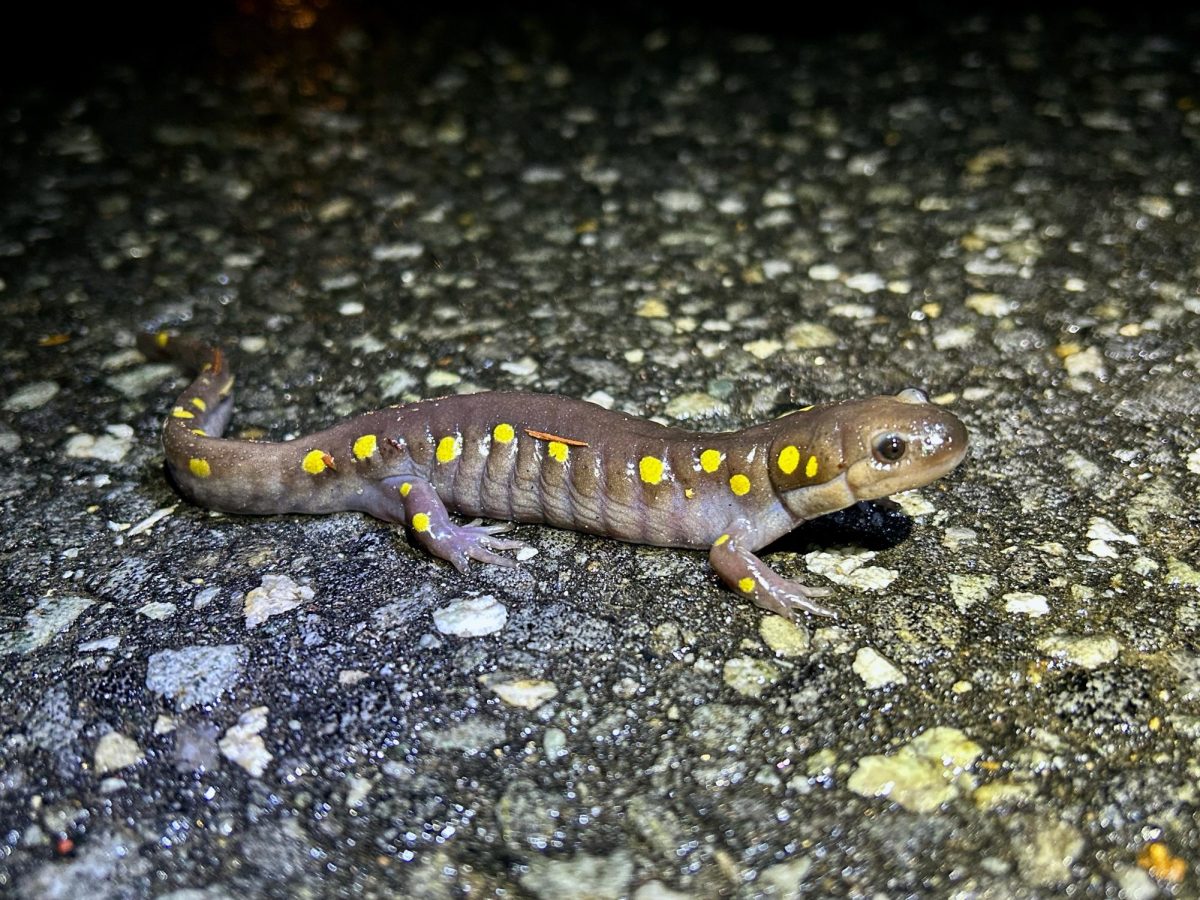
I have been volunteering with MBN since my freshman year at Bates. I have become entranced by the world of spotted salamanders and spring peepers. Without amphibians, our aquatic ecosystems would flounder. But they are helpless in the face of anthropogenic habitat fragmentation.
Many Batesies are newcomers to Maine, including myself. We increase the human impact on this wild state. But what if we can do something to minimize our footprint?
Perhaps each toad that crosses the road is just a small piece of this. But I choose to believe that every creature’s life makes a difference in the grand scheme of conservation. And maybe, even if your hands get a little slimy, you can find your impact on Big Nights, too.
See some common Maine Big Night species below: