
Which feels more rewarding: graduating from medical school or studying for one more hour when you’d rather scroll on Instagram reels?
The answer feels obvious. One comes with a diploma and applause; the other passes quietly, unnoticed. But that quiet hour is what makes the diploma possible. We celebrate outcomes loudly and effort quietly, even though outcomes are built entirely from effort.
As part of Gen Z, we live in a world of constant noise: notifications, breaking news alerts, productivity hacks and comparison culture. In the midst of it all, small tasks are often overlooked. Graduating from medical school is a grand accomplishment, but what about the small steps that made it possible?
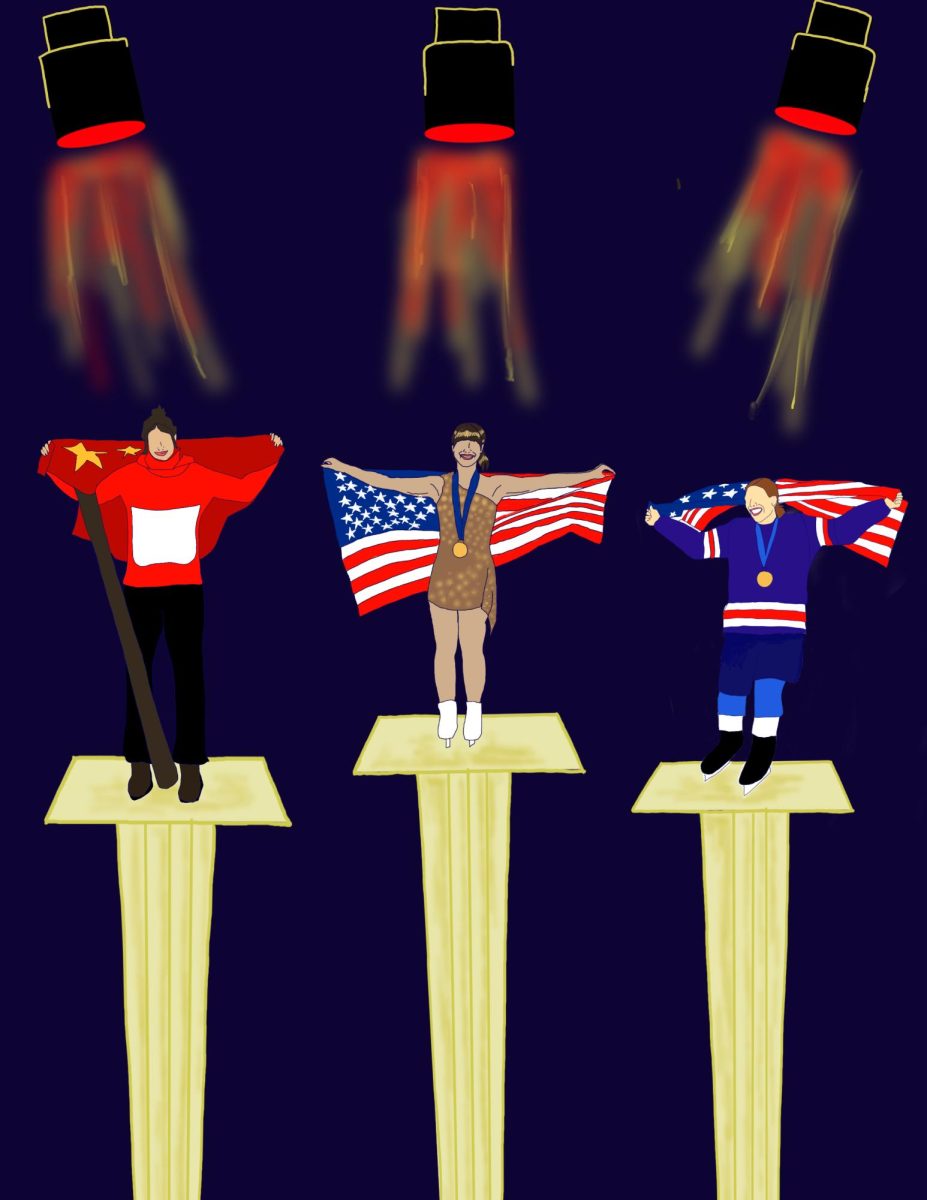
The distinction between big and small wins is more arbitrary than we think. Big wins are simply collections of small ones, stitched together over time. We tend to define “big wins” as the milestones that come with public recognition: graduations, job offers, awards and championships. They are measurable, visible and often come with applause.
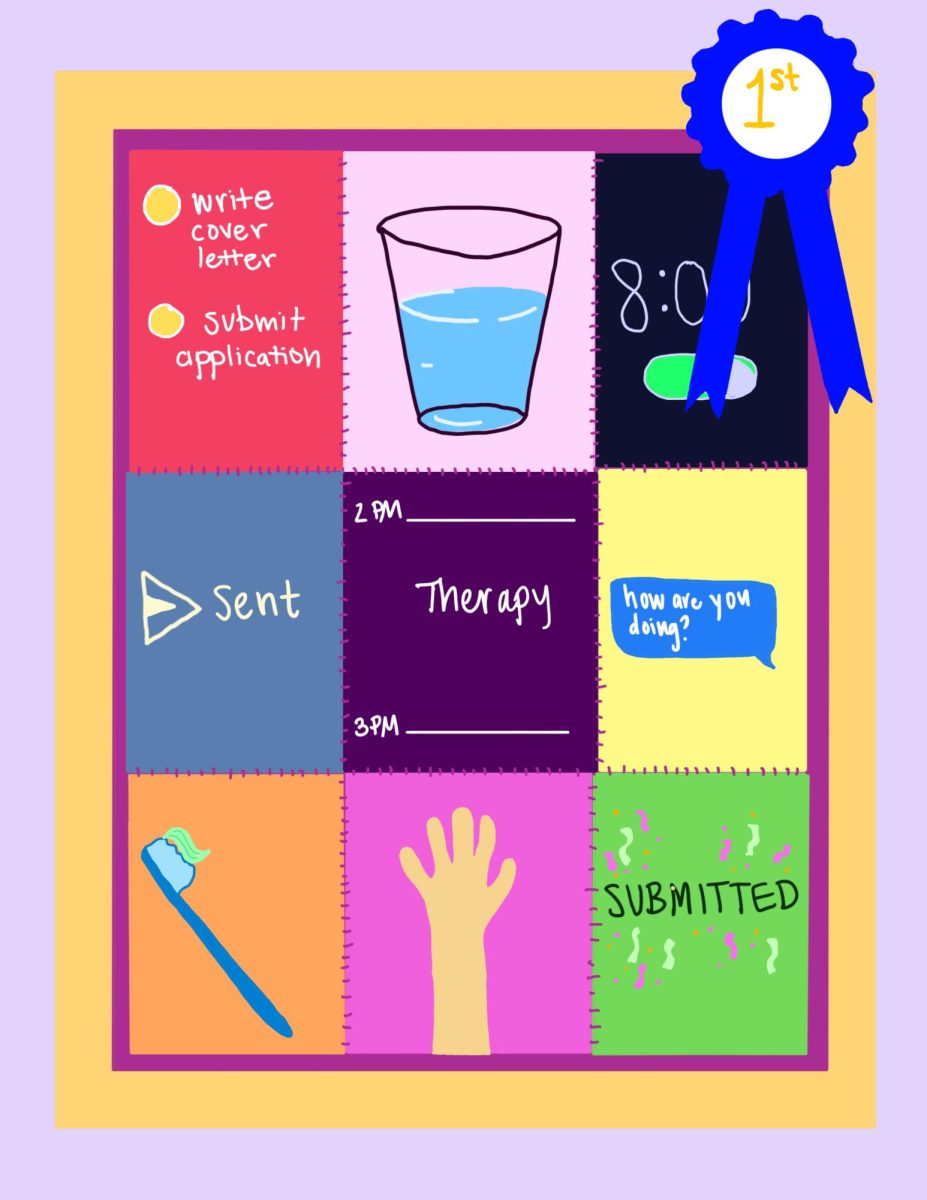
“Small wins,” on the other hand, rarely receive ceremony. They are quieter: sending an email you’ve been avoiding, going to therapy consistently, choosing to get out of bed on a hard day, finishing a weekly quiz or asking a question in class. They are often invisible to everyone except you.
I set unrealistic, high standards for myself, a flaw I don’t like to admit. In some cases, it pushes me forward. But behind closed doors, it can be a burden of “what could’ve been.” Maybe if I reviewed my notes one more time, I could’ve gotten an A+ on my Chemistry midterm. Maybe if I checked up on my friend earlier, she wouldn’t be struggling. Maybe if I were just slightly different, people would like me more. Just maybe.
None of these thoughts focus on what I actually did. They revolve around what could have been. They are alternate versions of reality where I was more prepared, more attentive, more perfect than I actually was. In obsessing over what might have changed the outcome, I overlook what already happened: I studied, I showed up, I care deeply about my friends and I tried. Those are wins too.
It’s often easier said than done to ignore that internal, debilitating voice. Yet when I turn the same scrutinizing eye to my friends, I notice their quiet victories immediately: finishing an art project, going on a run even when they didn’t feel like it and eating full meals during a stressful week. Why is it that we see progress so clearly in others but struggle to recognize it in ourselves?
In college, completing one minor task on your to-do list can feel insignificant when it’s buried beneath a hundred others. Big wins feel rewarding, but they can also become addictive. When the goal isn’t reached, disappointment snowballs. We push harder. We demand more. And sometimes, in chasing the next achievement, we sacrifice our happiness, our self-worth or even our health.
No win is insignificant.
Journalist Melissa Russell writes on Harvard’s blog that “recognizing small wins along the way is not only an important part of making progress, but can also help keep you motivated.” A win might look like setting aside fifteen minutes to FaceTime your parents. It might look like finally doing your laundry after putting it off for weeks. It might look like cleaning your water bottle with soap and water or going to office hours, even if it’s just for fifteen minutes.
Sometimes recognizing small wins means rewarding them. A reward could be taking a bite of chocolate after every question on your biostatistics worksheet. It sounds small, maybe even a little silly, but that’s the point. Small rewards remind us that progress happens one step at a time.
Setbacks are inevitable, and celebrating small wins can feel trivial when long-term goals seem impossibly far away. But progress is rarely linear. I like to think of setbacks as speed bumps rather than dead ends. They slow us down. They force reflection. They remind us that forward motion doesn’t always mean moving fast.
So the next time you check something off your to-do list or do something that simply makes you feel good about yourself, pause before brushing it aside. Maybe even reward yourself for it, whether with a square of chocolate, a short walk or a moment of rest. Let it count. Let it remind you that everything has value, including you.