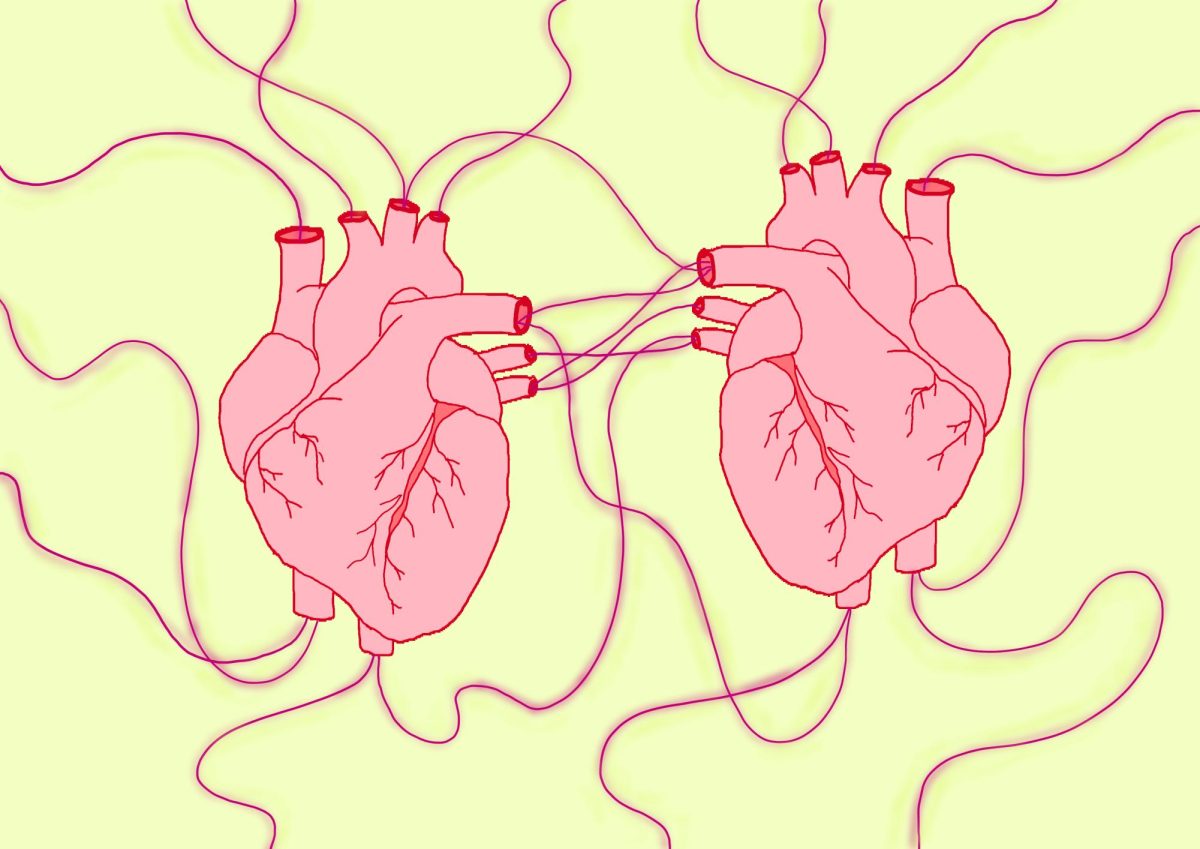


Should orgasms be the end goal of sex? What’s the point in having sex without a climax? If the goal is orgasm, why even involve someone else? In a world that is so goal-focused and values achievement, how we approach sex and our attitudes towards orgasm shed an interesting light on broader issues outside of the bedroom. The way we commonly view orgasm creates a kind of sexual race, with a distinct start and an end. In doing this, we forget to enjoy the process and the pleasure of sex.
We tend to think of orgasm as the ultimate peak of pleasure. It’s become the goal because it feels really good, like a reward or prize. In reality, however, orgasm is a natural biological reaction to sexual stimulation, serving the purpose of reproduction. It is not necessarily a sign of a job well done. It’s important to understand this process when it comes to understanding sex and our relationships with our sexual health.
If the purpose of sex is to reproduce, then yes, the goal is likely male orgasm– as that is important to conception. However, sex in college has more recreational purposes. So, if our goal is not procreation, why do we put so much expectation for orgasm?
It could be that we are chasing a high and that physiological rush of endorphins that makes us feel satisfied, or maybe it’s that we want proof of approval from someone else.
Orgasm is a biological proof of attraction, and some may feel frustrated/ dejected when they fail to bring their partners to orgasm. It could be that we think that is how it’s supposed to be, I mean, don’t we all want to orgasm?
As a culture, we live in the extremes. We consistently want to maximize enjoyment. When orgasm occurs, there is a rush of dopamine, endorphins and oxytocin in the brain. This gives an intense sense of pleasure, relaxation and lowers stress.
Because of all these reasons we can get hyper focused on reaching that peak and overlook what it takes to get there. In this sense, we remove ourselves from the pleasure of the moment and the feelings of intimacy and instead are focused on performance and the possibility of future satisfaction. It’s a lot of pressure to hold yourself to that standard and can create a lot of unnecessary stress and anxiety during something that is supposed to be fun and enjoyable, and who wants to be stressed out while having sex?
The culture has set the finish line to the man’s needs, without consideration of women’s involvement. Male ejaculation is a key component in reproduction, yet this finish line has extended into modern sex culture despite different motives for intercourse. In any case, the orgasm gap can leave many women feeling unfulfilled after sex. When pleasure ends because one person reached climax, the other can be left wanting more.
On the flip side, maybe one person wants to be done having sex before any climax is met. In consensual heterosexual intercourse, there can be pressure on the woman to keep going until the man is done whether they want to or not. Additionally, men naturally experience a refractory period and sexual rest after orgasm, making it difficult for sex to continue after climax.
In homosexual sex, same-sex experiences result in a higher average orgasm rate for both parties, narrowing the orgasm gap. This could likely be because the focus of sex shifts away from orgasm and towards pleasure, as reproduction is not a goal and enjoyment is forefront.
By allowing sex to be more than a race to orgasm, its focus becomes more about enjoying the present and gratifying the other person involved. This shift may result in a more intense and pleasurable experience that can actually make orgasm more intense, frequent and synchronized for both partners. As the saying goes: It takes two to tango.
The body is complicated and often functions outside of conscious volition. Orgasm does not directly equate to pleasure and enjoyment—a deceptive narrative that had been used to downplay the trauma experienced by victims of sexual assault.
Orgasms are involuntary responses to sexual and genital stimulation, and victims may still experience a physiological orgasm during non-consensual sex. Ultimately, orgasm is a faulty benchmark for pleasure. When participating in any sexual encounter, it’s extremely important (I cannot stress this enough) to gain continuous consent from other partners. Consent once does NOT mean consent always.
Sometimes it can genuinely be more enjoyable to have sex without orgasm. It takes the pressure off of reaching completion and makes space to be more involved in the moment. Orgasm should be an after thought, almost accidental, not the expectation. By shifting the priority of sex away from climaxing, individuals can turn their attention toward feeling and giving pleasure, connecting with their partner and the intimacy of the moment, rather than what’s to come (literally). Nothing is forced and there is no feeling of something missing. And who knows, that just might bring on an orgasm. It’s about the journey, not the destination – so enjoy the ride.